

Starting your fitness journey gets easier when you have a tracker that actually supports your daily routine. But finding the right one is not always simple. There are too many features, too many brands, and too many opinions. If you are trying to figure out how to choose a beginner-friendly fitness tracker, focus on what you need right now as a beginner, not what looks fancy on the box.
This guide breaks everything down in a clean, simple way so you understand how to choose a fitness tracker that fits your lifestyle, how to compare a smartwatch vs fitness tracker, and how accurate fitness trackers are when you use them every day. By the end, you will know exactly what to look for in the best fitness tracker for beginners.
Before you look at price or brand names, start with your goals. A tracker is not a magic fix. It is a tool that helps you stay aware, stay consistent, and stay motivated.
Most beginners want to build habits like:
Understanding these simple goals makes it easier to decide how to choose a beginner-friendly fitness tracker without feeling overwhelmed. Your fitness tracker should match your routine and grow with you.
More to Discover: The Best Smartwatches: Top Picks for Good Fitness
When you are choosing the best fitness tracker, you do not need every advanced feature you see online. You only need the features that matter at the start of your journey. This is where beginners often get confused, so here is a clear breakdown.
Every tracker should measure your steps with reasonable accuracy. This is the foundation of most fitness goals. When you learn how to choose a fitness tracker, step tracking should always be at the top of your list. A beginner-friendly device makes your movement easy to monitor without you doing anything extra.
A built-in heart rate sensor helps you understand how your body reacts during daily activities and simple workouts. It gives you a realistic picture of your effort levels. You may wonder how accurate fitness trackers are in measuring heart rate. The truth is they are not medical grade, but they are accurate enough for general fitness. For a beginner, this level of accuracy works perfectly.
Beginners benefit a lot from sleep insights because good sleep supports better energy levels. A tracker that can measure sleep duration, patterns, and interruptions will help you learn how your daily habits affect recovery. You do not have to look at advanced sleep stages. Basic sleep data is more than enough.
When learning how to choose a beginner-friendly fitness tracker, battery life becomes a big part of the decision. If your tracker needs charging every few hours, you will eventually stop wearing it. Beginners usually prefer devices with at least three to five days of battery because it keeps the routine simple.
If your tracker is uncomfortable, you will not wear it every day. Look for a lightweight band and a simple display. Your goal is to build a habit, so comfort matters more than style or size.
Most people focus only on the device, but the app experience matters more in the long run. When you open the app, your data should make sense at a glance. You should not feel lost or confused.
A beginner-friendly app:
This makes it easier to build consistency and understand your progress. A good app also makes the best fitness tracker feel even more useful.
A lot of beginners get stuck between a smartwatch and vs fitness tracker. Both are useful, but they do different things. Here is the simplest way to decide.
If your only goal is fitness, a tracker is the better starting point. When you learn how to choose a fitness tracker, you will see that simplicity often works best for beginners. If you want calls, notifications, and apps, a smartwatch can be useful, but you will pay more.
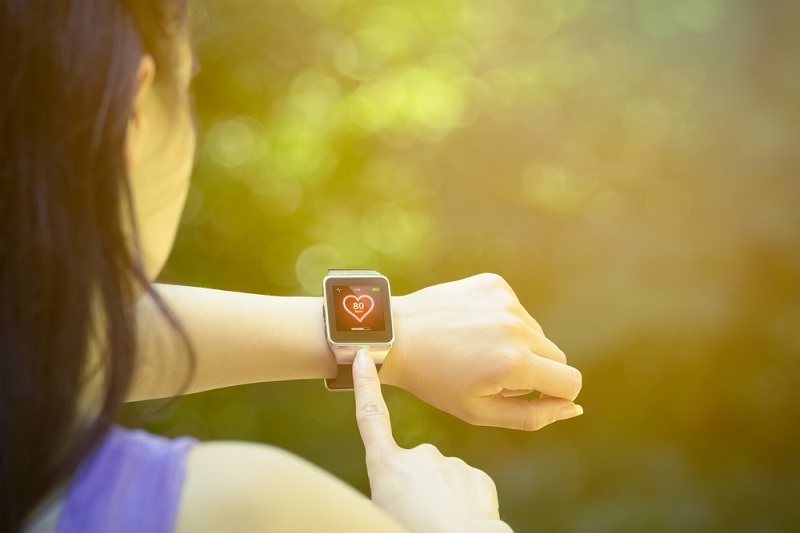
Most beginners want to know how accurate fitness trackers are before buying one. The answer is simple. They are accurate enough for daily fitness routines, but not perfect. You should use them as a guide, not a scientific measurement.
Here is what you can expect.
Trackers are usually close to real step counts, especially during normal walking. Small differences will happen, but they do not affect your progress.
Trackers are reliable for resting heart rate and light exercises. Accuracy can drop during intense movements, but beginners will barely notice this.
Sleep tracking is good for understanding patterns. It will not be exact, but it will help you see how long and how well you sleep.
Overall, when choosing the best fitness tracker, focus on trends rather than exact numbers.
Must Read: Smart Tech and Automations Are The Future of Home Security
Some devices work better with specific smartphones. Always check whether the tracker fully supports your phone. A device may work but still lose features if the software is not fully compatible.
A beginner-friendly tracker should not feel complicated. You should be able to set it up quickly and understand the data immediately. You do not need a device that demands constant adjustments. You need something that works quietly in the background.
When you keep this in mind, it becomes easier to understand how to choose a beginner-friendly fitness tracker without overthinking it.
You can find great options at different price points.
Good for simple goals. Affordable, clean design, easy tracking.
Best balance for beginners. Strong accuracy, better features, reliable apps. Usually the sweet spot when choosing the best fitness tracker.
More advanced features and smartwatch capabilities. Ideal only if you want a mix of fitness and lifestyle features.
Also check: The Key Buying Guide Elements for the Best Air Conditioners
Here is a quick summary to help you decide easily:
When you take a clear, practical approach, finding the best fitness tracker becomes straightforward.
This content was created by AI